WATCH AND DISCUSS:
SHORT FILMS, GREAT IDEAS
A FILM CRITICAL VIEWING PROGRAMME ON VISIBLE AND INVISIBLE VIOLENCE
The nationwide film critical viewing programme returns with a new selection of films exploring . Following the programme’s highly successful implementation since 2023 in more than 450 school classes, with films addressing diversity and mental health, we are applying the same methodology to a new collection of films that explore different perspectives on violence among young people.
The films were selected by Maria Leonida, filmmaker and educator; Ioanna Katsiafliani, psychologist and programme consultant; Koula Panagou, educator and play therapist; Chrysa Tsalafouta, philologist and cultural manager and Katerina Giotopoulou, professor in the Cinema Department of the University of Athens.
The programme aims to create a safe and creative space in the classroom where students can explore their emotional well-being through art.
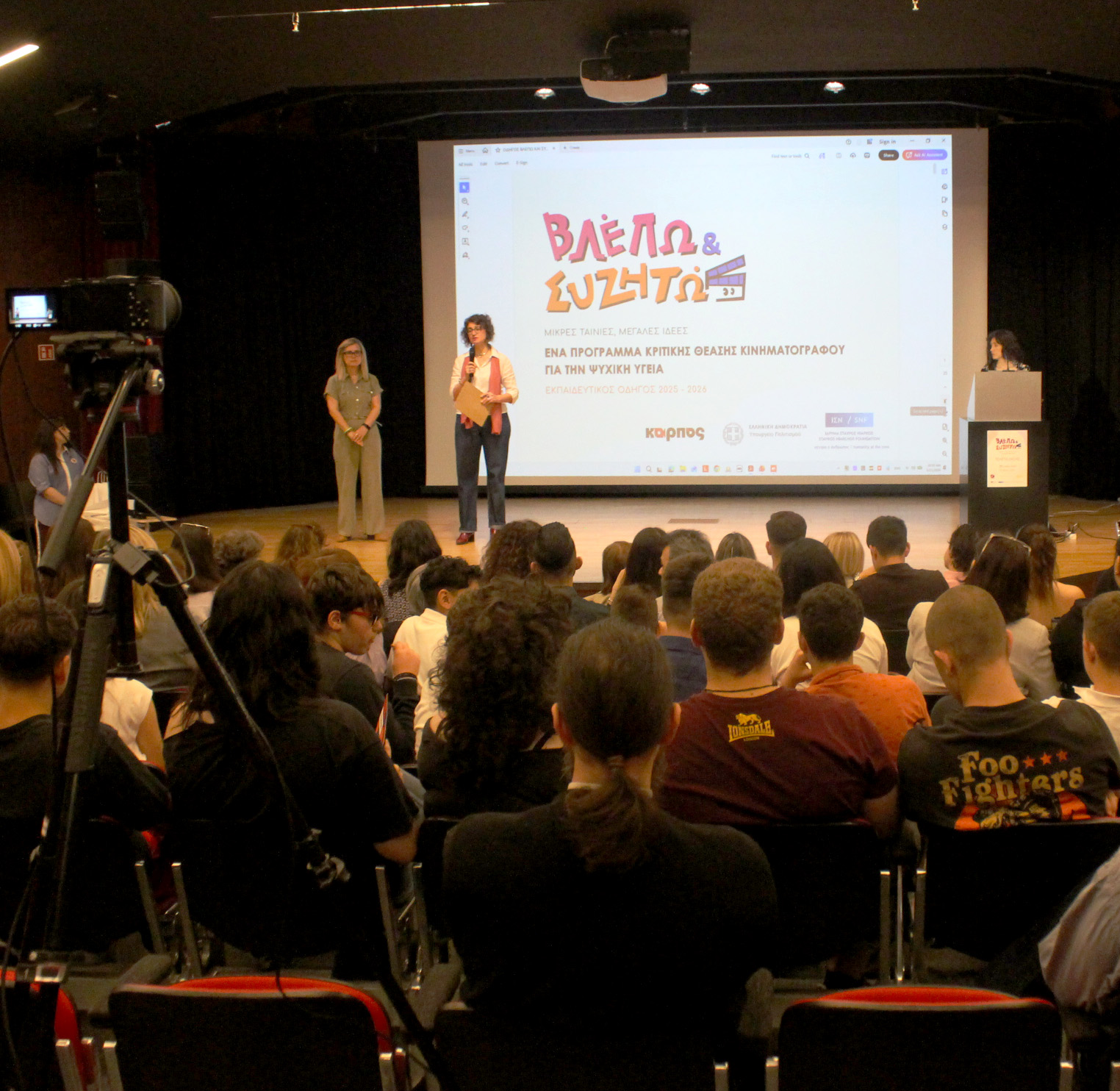
The programme’s first informational webinar will take place on Thursday 29 October 2026 at 18:30.

THE STEPS
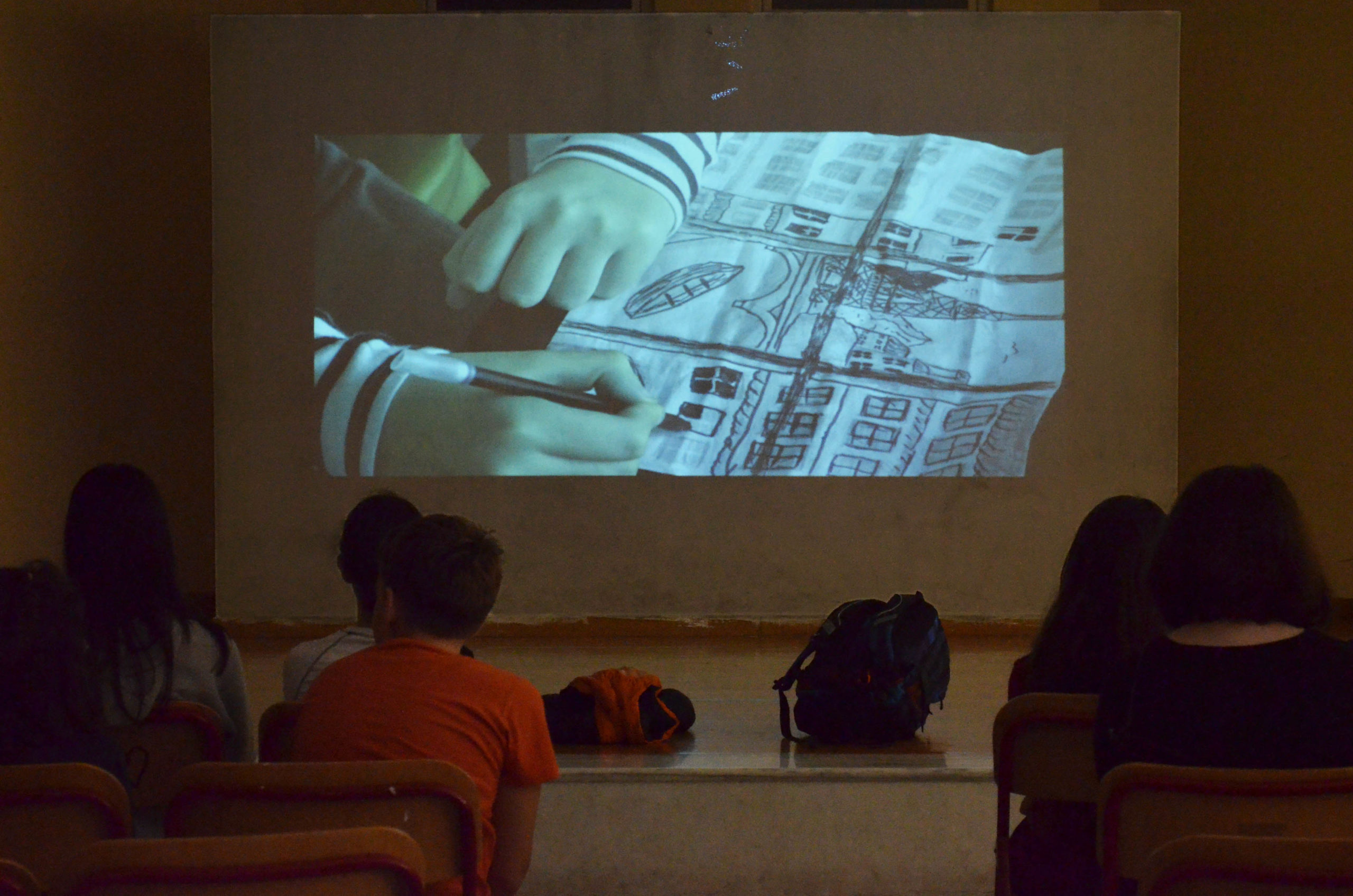
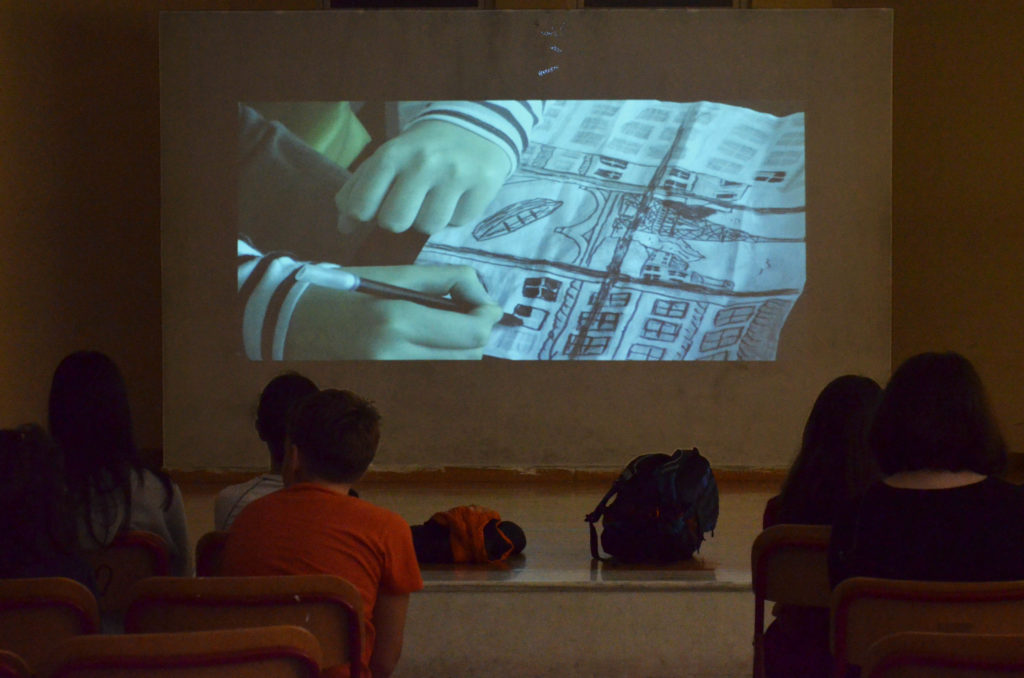
- 1. Screening of 6 short films, with a total running time of 31 minutes. You may screen them in whichever way best suits your needs, while maintaining the recommended order. We suggest screening them in pairs, with a 2–3-minute pause between each pair to allow students to share their initial impressions. The films should ideally be screened in a darkened room, using a projector and an internet connection where possible.
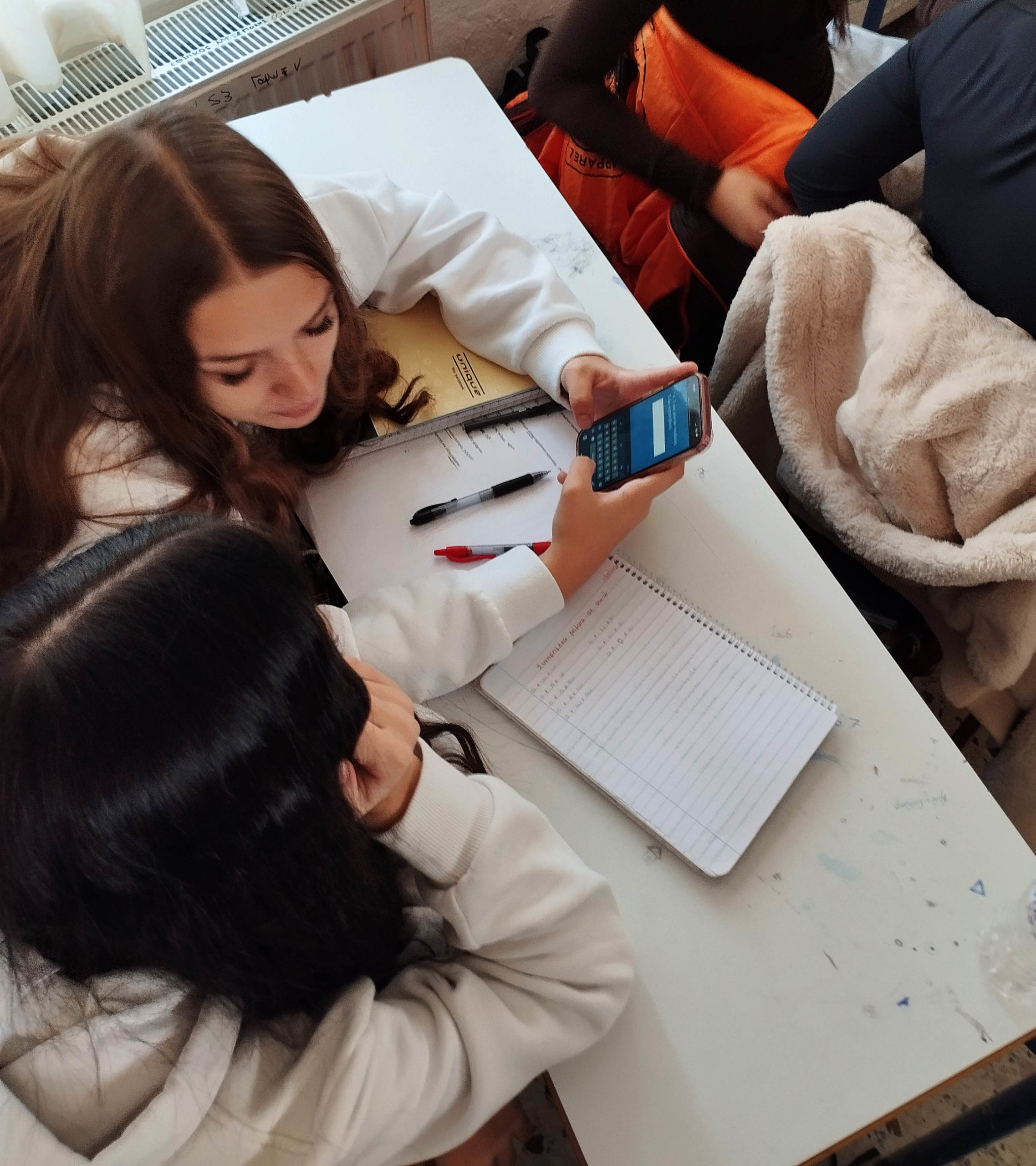
- 2. Discussion – Voting: Duration: 45 minutes.
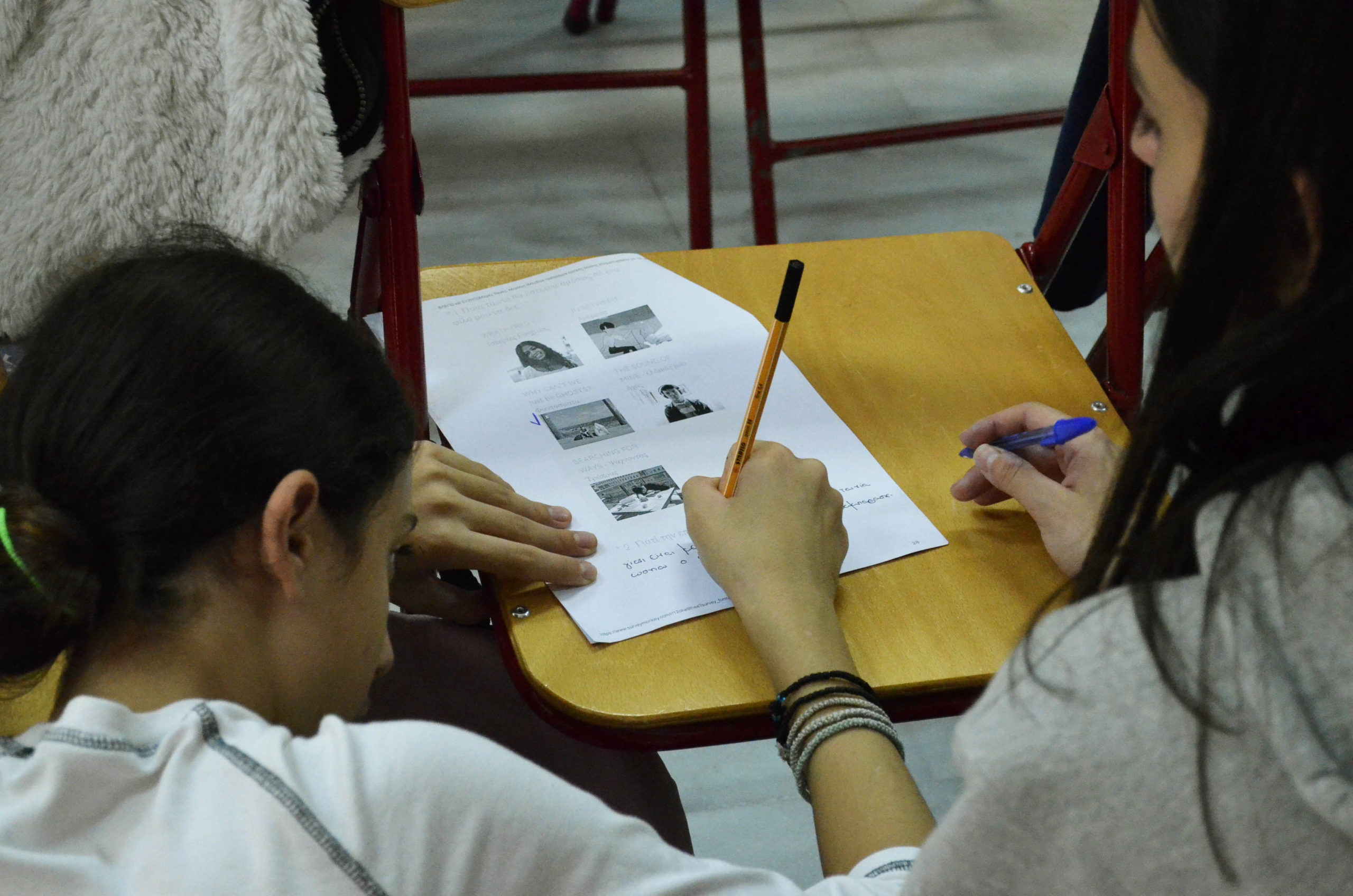
The student-viewers discuss the films in small groups of 2 or 3 and decide together how to answer a series of specific questions, both open-ended and closed-ended, concerning the films’ content, visual storytelling, and the different thoughts and emotions they evoke. The voting process therefore includes questions that go beyond simply ranking the films (1st, 2nd, 3rd, etc.).
Sample questions:
✔ Which film would I immediately send to a friend to watch?
✔ Which film was the most unusual and thought-provoking?
Procedure: Voting takes place online via an interactive platform. If there are any difficulties connecting, students can vote on paper, and their responses can then be entered into the platform.
- 3. KARPOS will offer two webinars focusing on the programme’s methodology, the context in which the films were created, and practical guidance on facilitating the activity. Teachers and coordinators responsible for implementing the programme will receive digital certificates of participation.
- 4. The voting results will be sent directly to the teacher, who may discuss them with the students if they wish. The results will subsequently be published on www.karposontheweb.org
- 5. Student Competition: As an optional activity, either as a homework assignment or an extracurricular project, we propose two forms of artistic expression, one based on writing and the other on cinematic storytelling, with the support of tutorials and guidance provided by KARPOS.
Specifically:
- Individual film review: Students write a review of one of the films in the programme (up to 300 words).
- Group short film production: Students work together to create a short film using a low-cost animation technique.
- 6. In May, the programme’s Closing Ceremony will take place in Athens, where the best group projects (film reviews and short films) will be awarded prizes. The event will also include screenings of the films that received the most votes nationwide, followed by a presentation of the national voting results.
Who can take part?
- An individual class or an entire class group from a school, under the guidance of at least one teacher/coordinator.
- Students from different classes, for example, a school club or group.
- An informal group, such as a scout group, club, association, or similar organisation.
PROJECT OBJECTIVES
The programme can be implemented in every corner of Greece, offering children in both urban and rural areas opportunities for creative communication, discussion, collaboration, and critical film viewing. Students will engage in a unique, experiential discussion process designed to foster film literacy.
Objectives
The programme familiarises students with audiovisual language, which is particularly important in today’s world.
More specifically, it helps them to:
-
Develop their relationship with cinema through the flexible format of the short film.
-
Develop visual literacy skills and explore short narratives in greater depth.
-
Take part in inclusive, creative discussions on issues affecting contemporary society, expressing their views and supporting them with arguments.
-
Develop teamwork and negotiation skills through collaborative processes.
-
Engage in information production and develop a critical approach to mass media.
Teachers can engage their classes in creative dialogue while fostering a sense of shared experience with other groups across Greece. This can also encourage further collaboration and remote communication between schools and groups.
THE SHORT FILMS
The films selected for the programme encompass a wide range of cinematic styles and explore diverse themes related to violence and emotional regulation.
1. My Brother (2018)
Directed by: Thodoris Papadoulakis | Fiction, 3 minutes
Synopsis: Christmas Eve. On a busy shopping street, a young man armed with an iron crowbar causes absolute chaos.
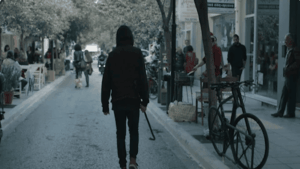
2. Stop Bullying (2024)
Directed by: Ogilvy Greece | Fiction, 4 minutes
Synopsis: A violent street attack involving minors leads to the exposure of similar incidents of bullying at school.
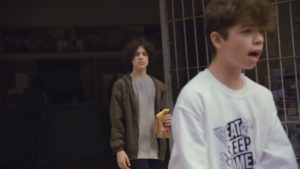
3. One More (2024)
Directed by: Artistic High School of Ampelokipoi, Thessaloniki | Fiction, 8 min
Synopsis: High school students undertake a news report on femicides, with unexpected results.
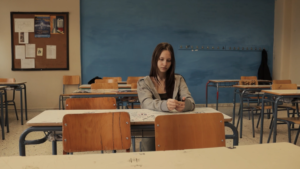
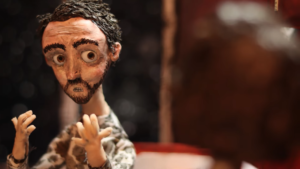
4. Bully (2022)
Directed by: Ondřej Brýna | Animation, 2 minutes
Synopsis: The protagonist struggles to manage anger and the pressures of everyday life and lashes out, with devastating consequences.
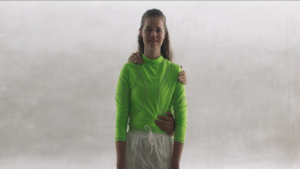
5. Comments (2022)
Directed by: Danielle Baynes | Fiction, 11 minutes
Synopsis: One evening after school, a teenage girl becomes trapped in a suffocating online labyrinth and struggles to find her way to freedom.
6. Yallah! (2021)
Directed by: Nayla Nassar, Edouard Pitula, Renaud De Saint Albin, Cécile Adant, Anaïs Sassatelli, Candice Behague | Animation, 7 minutes
Synopsis: Beirut, 1982. As Nicolas prepares to flee his war-torn city, he crosses paths with Naji, a teenager determined to go to the swimming pool despite the surrounding chaos. What follows is a frantic race for survival and a simple, defiant act of freedom.

The process of watching and critically analysing these films helps students express themselves through art on topics they might otherwise find difficult to discuss, while also deepening their understanding of these issues. The films bring themes of empowerment into the classroom through artistic creation and representation.
Δείτε τον χάρτη με τα σχολεία που έχουν συμμετάσχει σε:
-
Ελλάδα
-
Κύπρο
-
Γερμανία
-
Πορτογαλία
-
Ηνωμένο Βασίλειο
Meet the Team

Maria Leonida
Filmmaker – Head of Educational Design

Ioanna Katsiafliani
Psychologist

Koula Panagou
Educators Coordinator
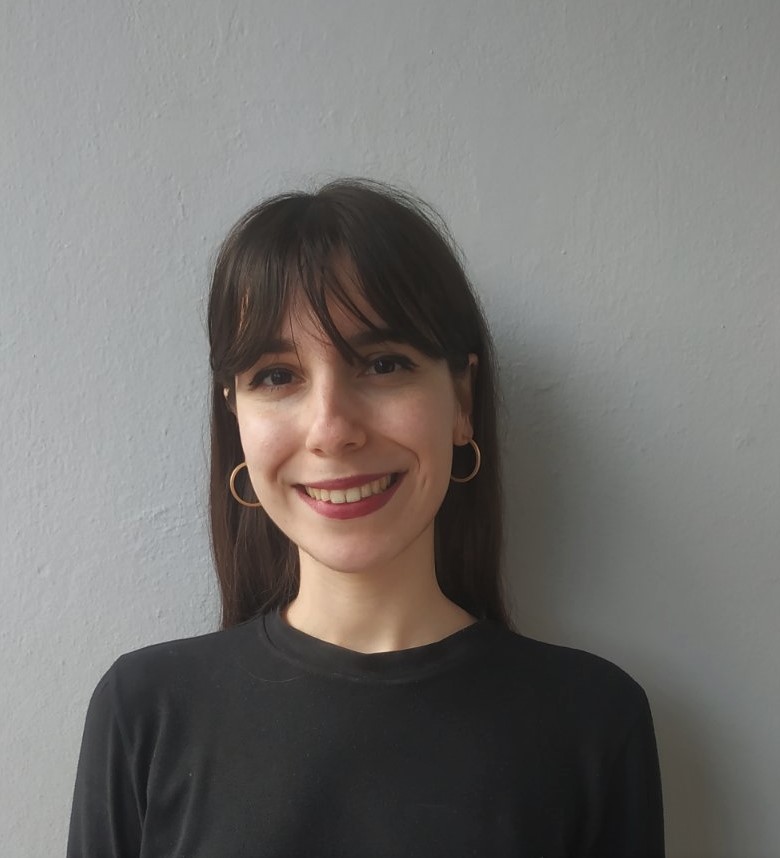
Chrysa Tsalafouta
Philologist - Cultural Manager
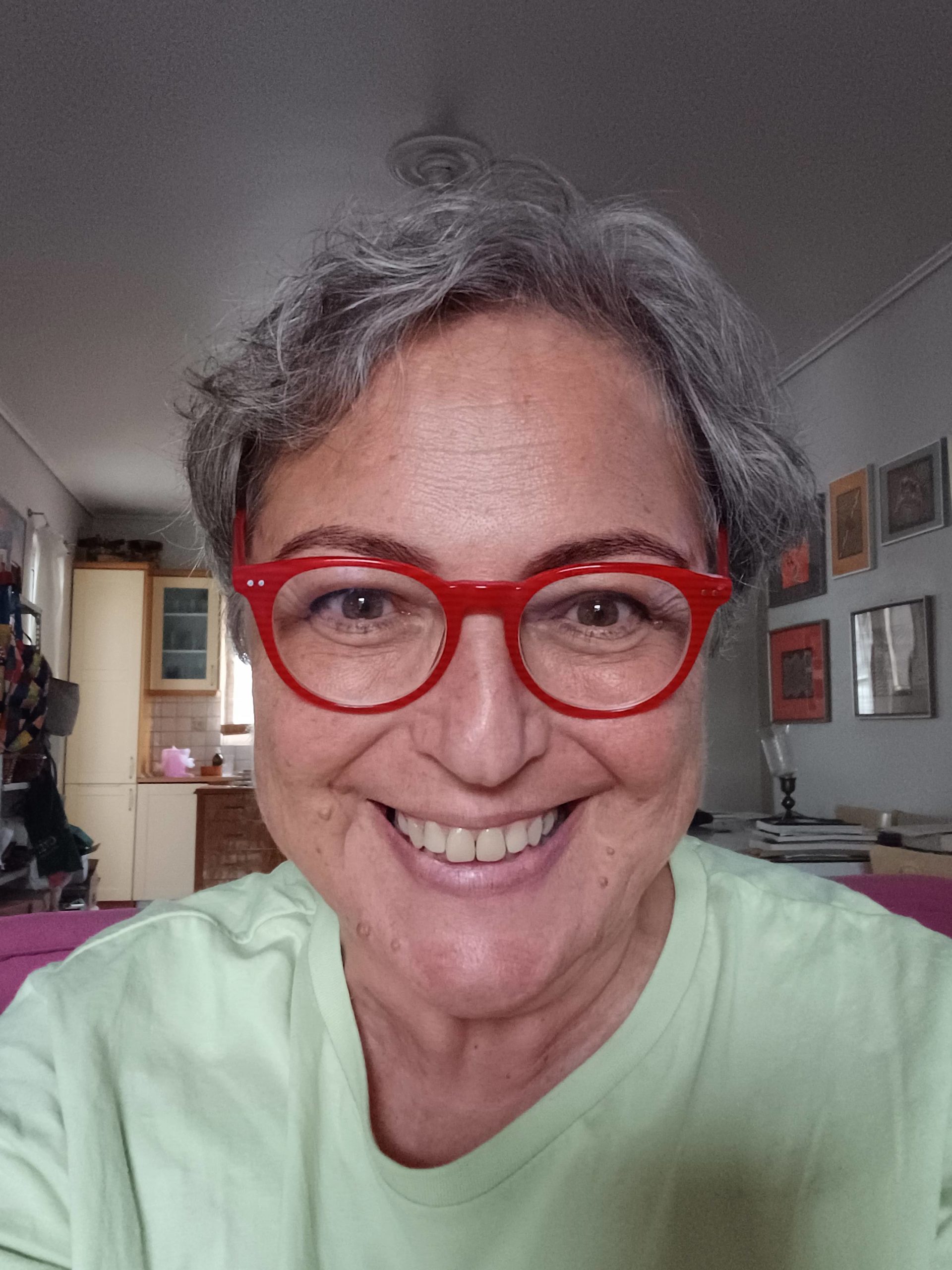
Katerina Giotopoulou
Laboratory Teaching Staff (EDIP), Department of Digital Arts and Cinema, National and Kapodistrian University of Athens.

Ioannis Skopeteas
Associate Professor of Film Directing, Department of Digital Arts and Cinema, National and Kapodistrian University of Athens.
This project was implemented under the auspices and with the support of the Ministry of Culture, and funded by the Hellenic Film and Audiovisual Center (EKKOMED).
